
Heading in to do Americas Newsroom (10:40am hit)
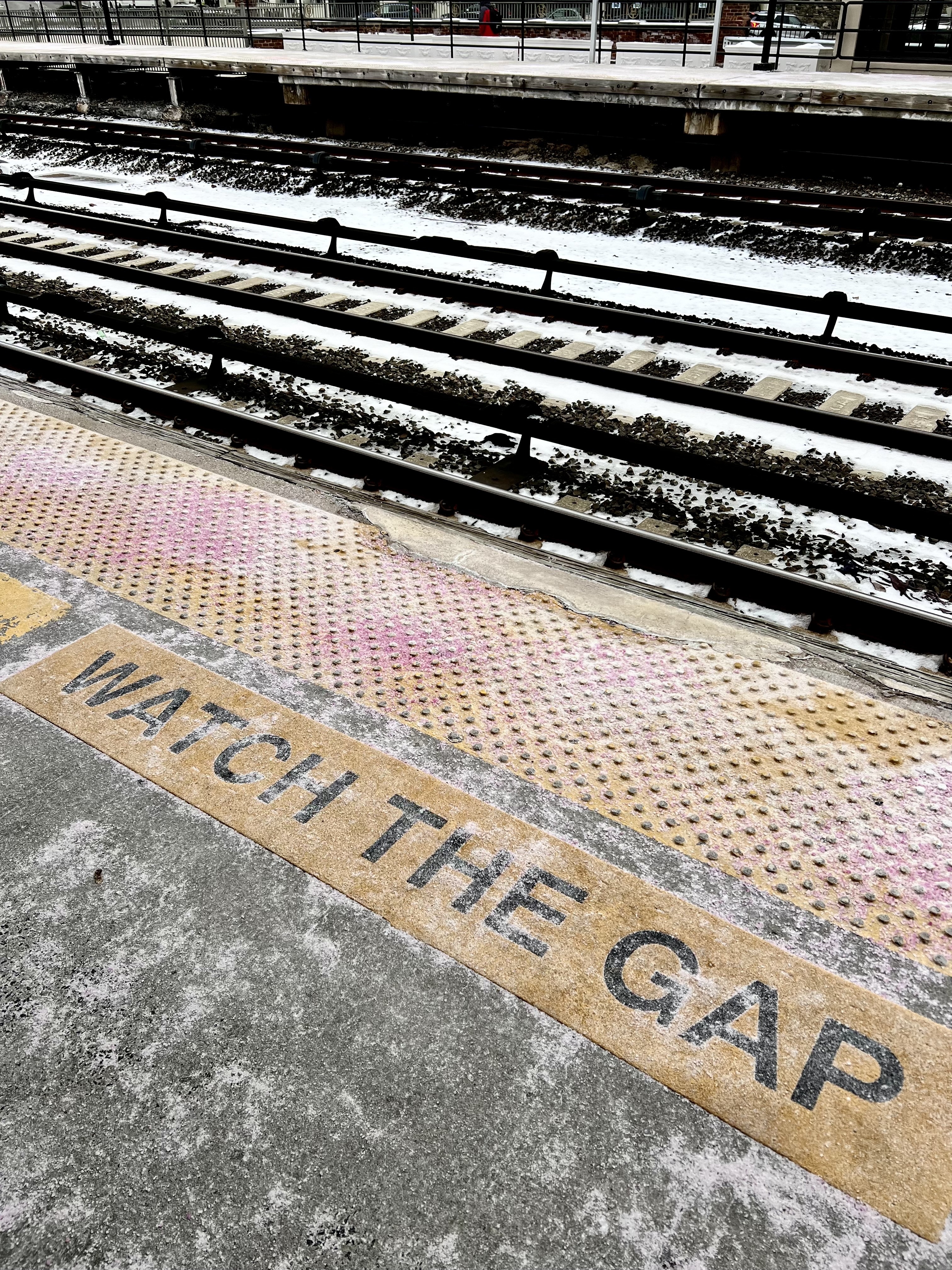
Re: my photo- Watch The Gap is what it said here in the United States. in England, it’s “mind the gap.”
Is this the most pressing concern of a commuter? “The gap” refers to the space between the car and the train. I’ve never seen anyone fall into the gap- I’m sure it has happened, but I’ve seen several people fall onto the tracks. And I’ve seen several people almost have their heads crushed because the were leaning over the tracks while not being aware a train was thundering toward them.
Shouldn’t the warning be “Don’t Get Hit By The Train” or “stand back! 48 people fell into the tracks last year at this station alone!” …something like that?
I may be wrong, of course, generally these things develop because the people who run the system see a need. At least that was the way it worked for a few centuries, it’s changing now, but back when Mind The Gap Was first introduced, the world was not as stupid. (People are not more stupid now, but they behave stupidly as is required by current standards and practices)
Perhaps “The Gap” is what causes the most injuries, liability claims, etc. your thoughts are welcome.
Heres a little travelogue- with focus on the travel part (i left my phone in my bag all weekend)
Thank you for reminding me. I wanted to talk about our post-show hangout in Memphis and here it is:

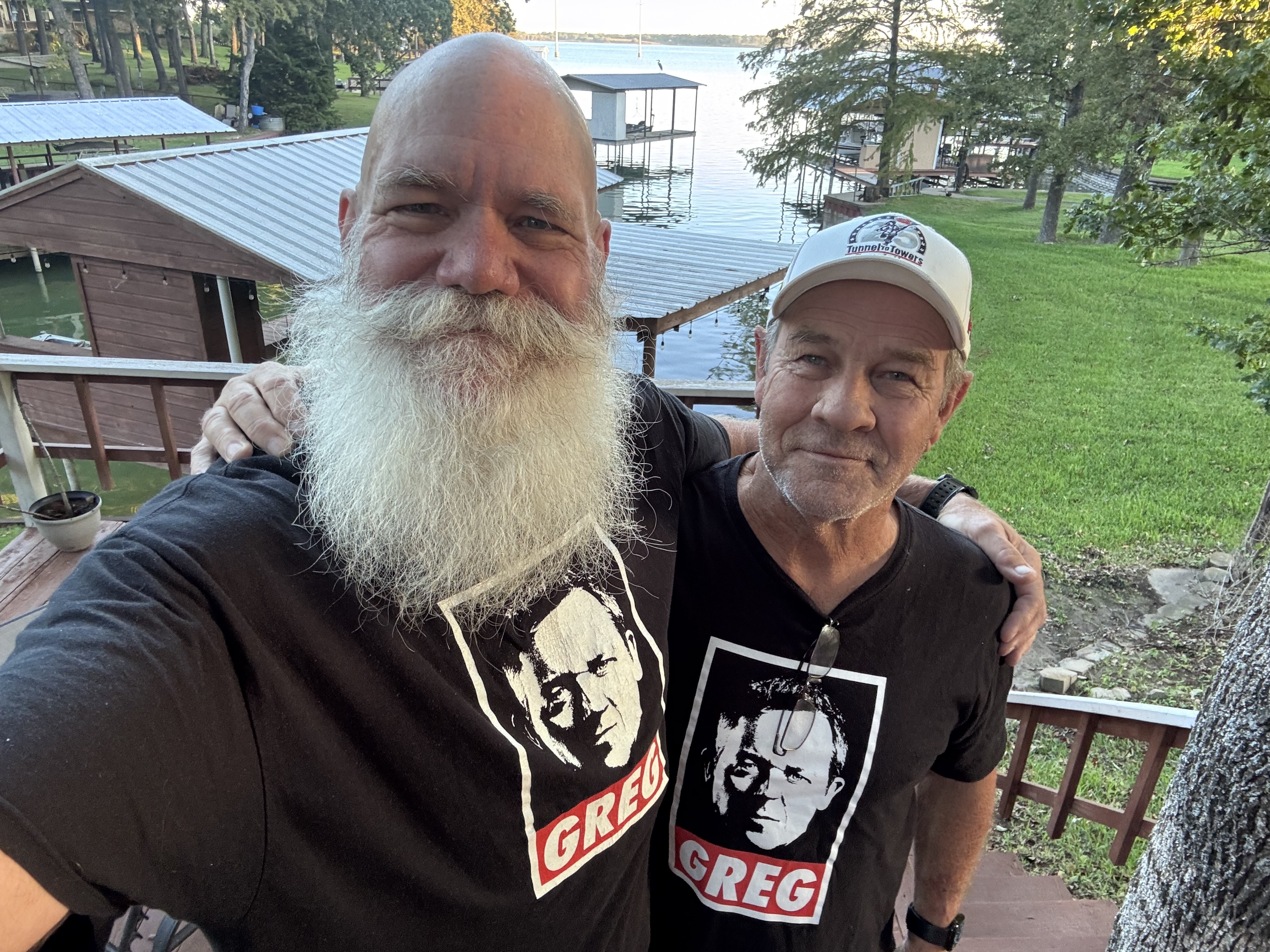
Somehow Tom's name came up during the segment on Monday night's "Gutfeld!" paying for friends when the topic drifted to an episode of "Law & Order" and Tyrus, and then Greg, thought of Tom Shillue appearing as a suspect......
“Day 29, 30, 31”
Of the 2026 Cavalcade
4873 miles
We left Eastland TX around 10:30 or so. We’d only 178 miles to our next stop.
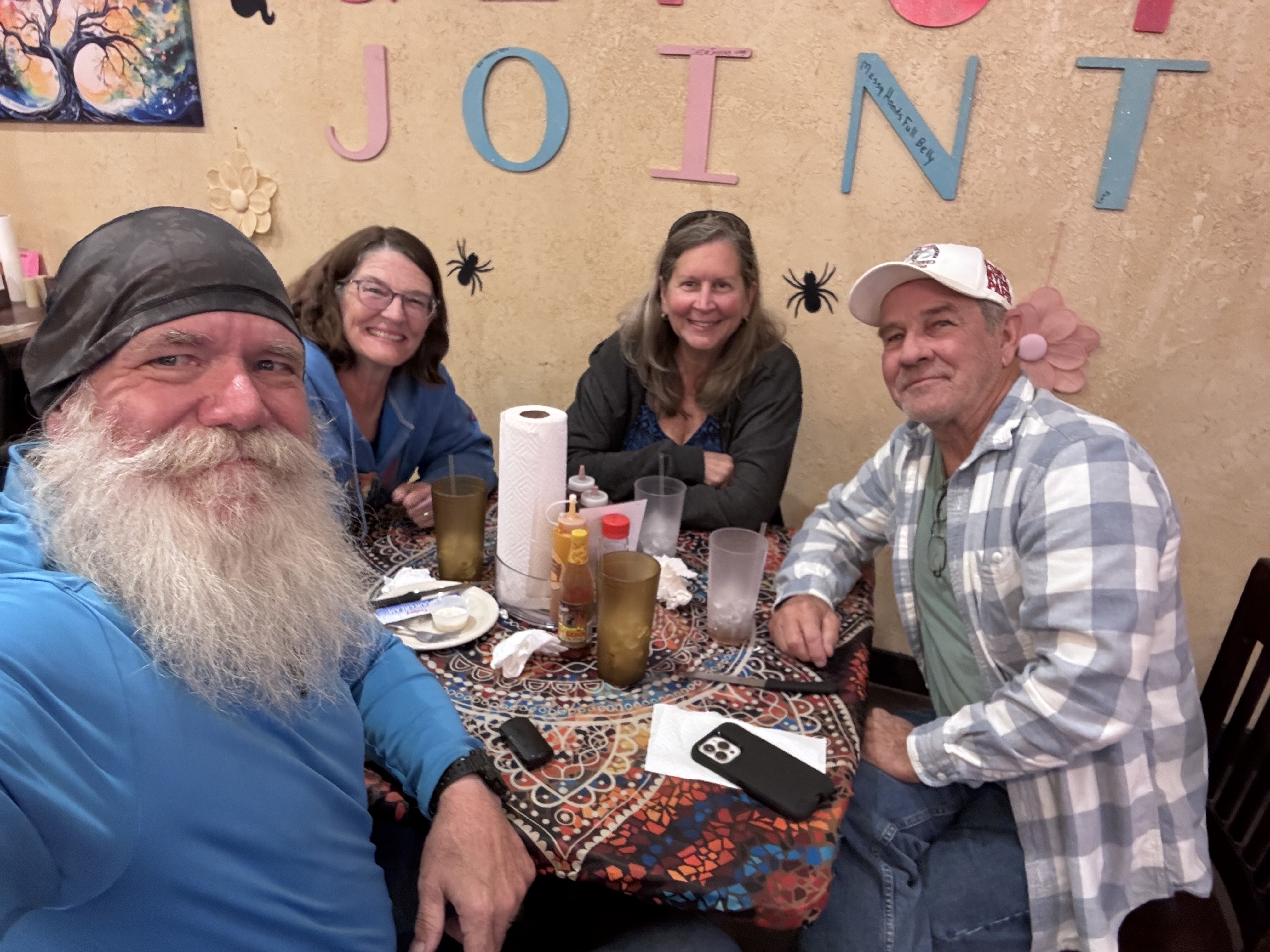
We arrived around 14:00, @KevinProudTexan said he could hear us coming. He’d offered his lovely ‘Lake House’ as an interlude from the ride. He graciously let us stay two nights. Which allowed us to ‘recharge’ before the final 770 miles to GA. The first night they ( Kevin and his wife Kim) made Fajitas. The second night we four went to a local barbecue joint, my darling bride and I picked up the bill. It was the least we could do.
The next morning we were up bright and early. Had our coffee and said our goodbyes.
We’d barely gone a mile when I received a phone call.
I couldn’t tell whom it was from, and I couldn’t answer it, because I was doing 60mph on a motorcycle.
So I let it go to voice mail.
Another call, this time I could see it was from Kevin, whom we’d just left. I pulled off the road, and attempted to answer.
I wear leather gloves, ear plugs, and my goggles are shaded and ...
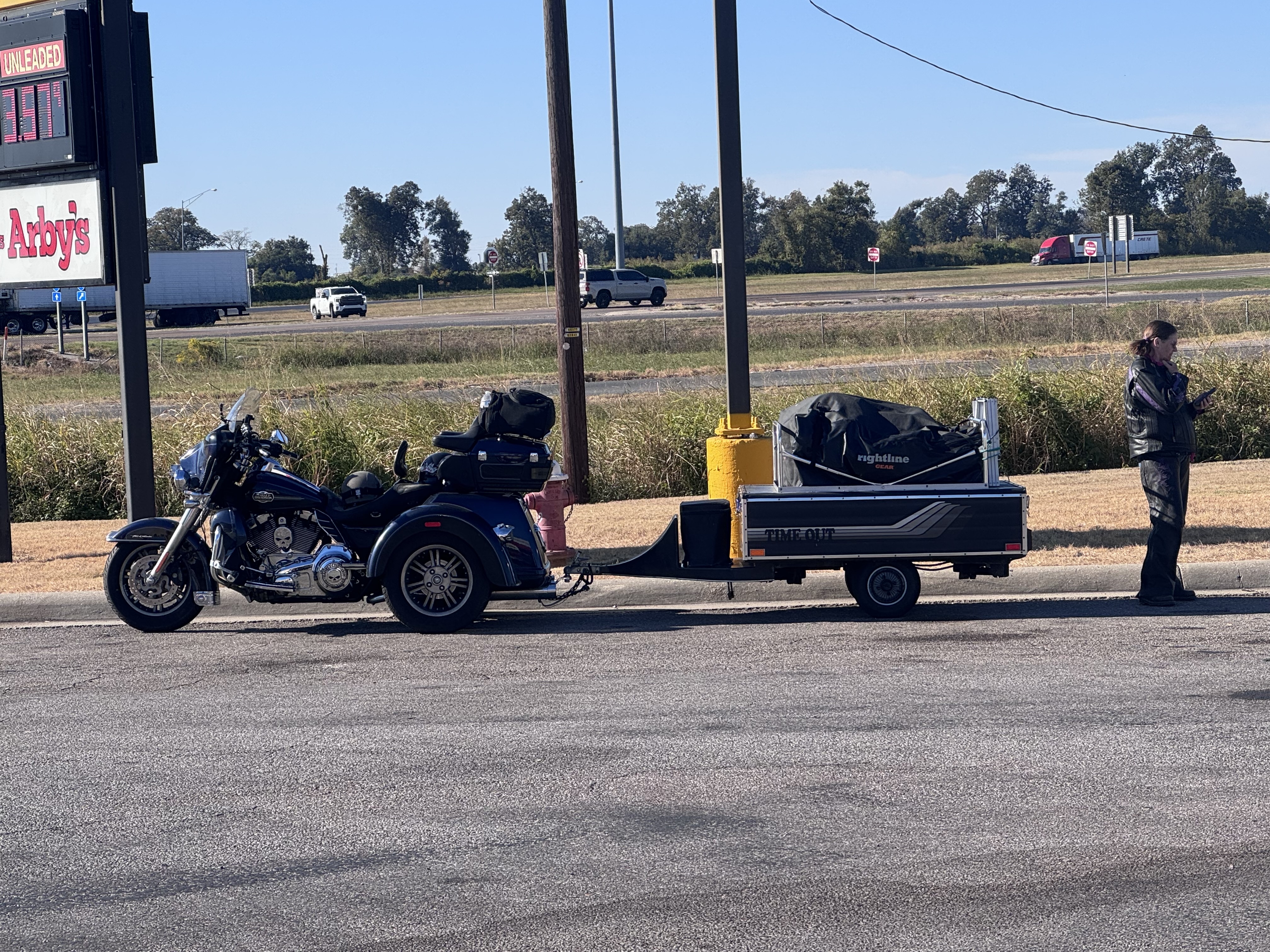
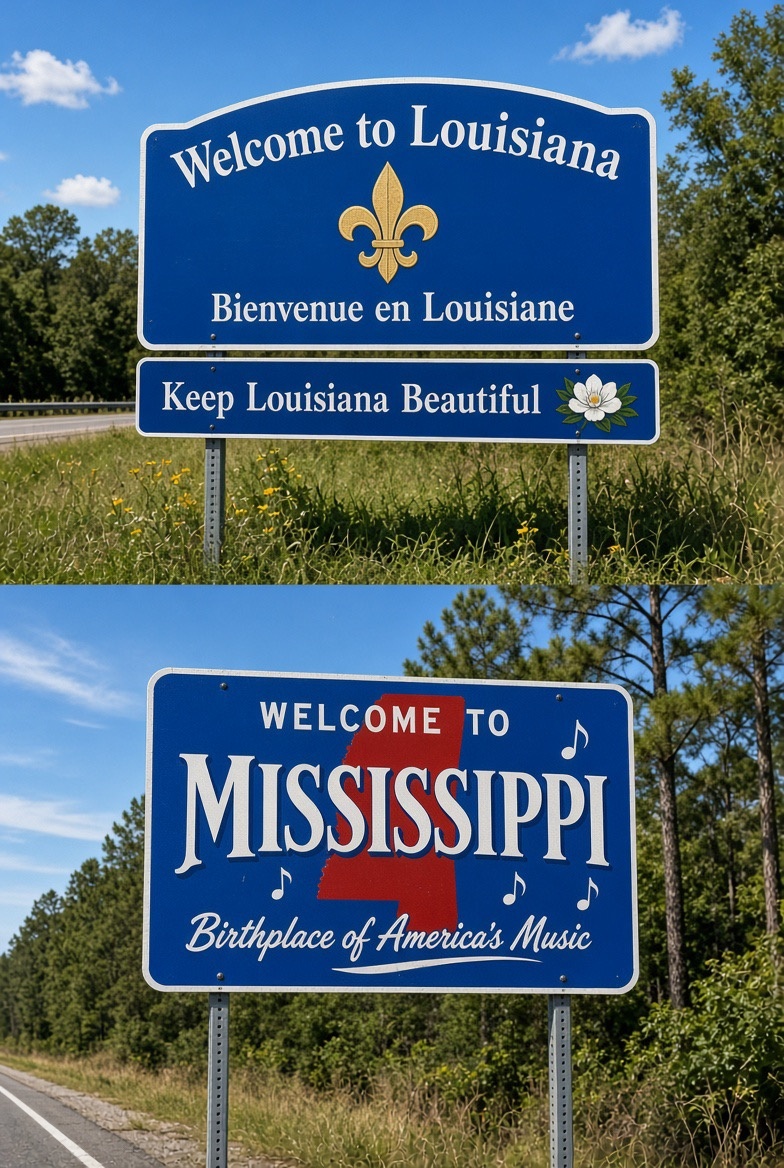
“Making like”
A baby, and heading out.
The most excellent @KevinProudTexan and his ever lovely wife Kim have been the most gracious hosts. The short hiatus from the ride they gifted us, recharged our batteries for the next two days.
We’ve swapped enough ‘stories’, that it seems as if we’ve known each other for years.
We then went to supper last night at a little local ‘hole in the wall’ that had excellent barbecue.
It’s now time for the final push to The Big Blue Beast, in GA.
I’ve consulted GROK and the weather will be in the ‘70s with no rain expected today or tomorrow.
We’ve almost 13 hours of seat time over the next two days to get there. We will do the longest segment today, 391 miles. Our longest segment of the entire ride.
While 6 hour rides in a ‘cage’ (automobile) isn’t too taxing, on a scooter, it can be exhausting. Especially at our ages. Your ass in general and hips in particular take a beating. I usually start popping Advil Dual (Acetaminophen and ...